Guides · 7 min read · 2026-06-10
Dog beds: crate training vs orthopedic seniors
When a wire crate builds habits, when thick foam saves joints, and how chewing habits should veto plush beds.
We may earn a commission from qualifying purchases.
Crate first when the job is routine
Puppies and newly adopted dogs often need a correctly sized crate more than a designer bed. A MidWest-style double-door iCrate with a divider keeps the space snug for house-training: stand, turn, lie down — not a playpen palace. Add a flat crate pad once chewing calms down. Soft sofa beds inside an oversized crate can slow potty training if the dog learns to soil one corner.
Orthopedic foam when joints are the complaint
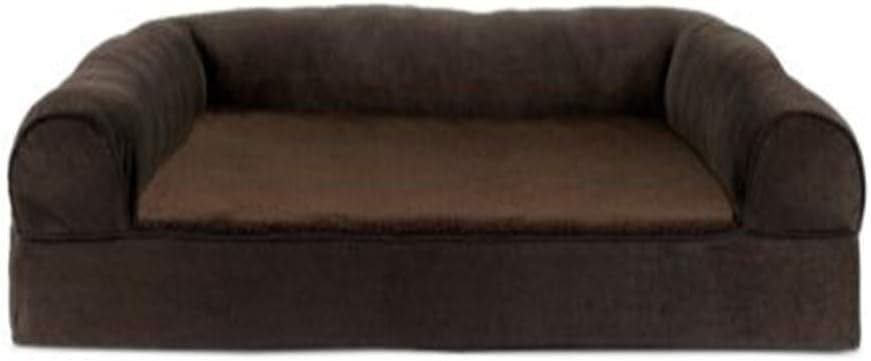
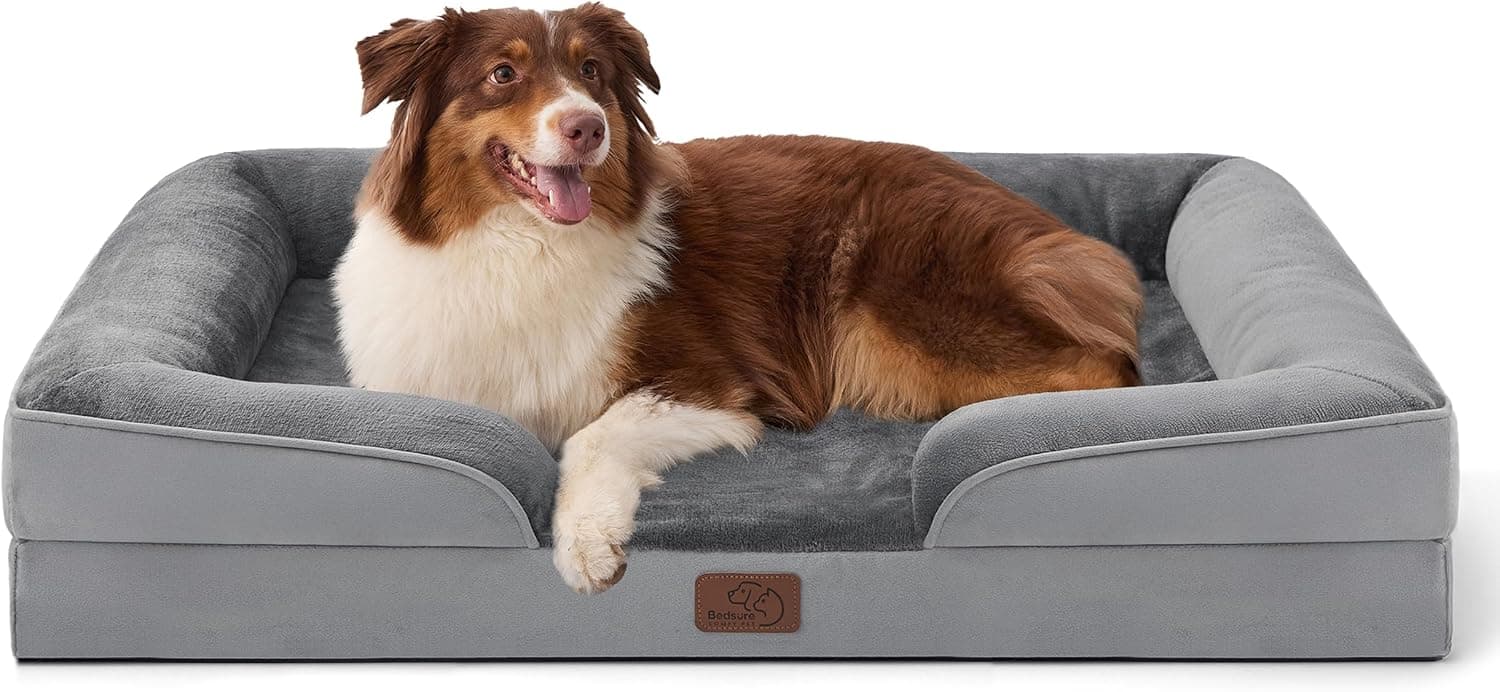
Seniors who hesitate to lie on hard floors usually need pressure relief, not more crate drama. Furhaven-style bolstered orthopedic beds give chin rests for nestlers; thicker Bedsure-style slabs help heavy dogs that pancake thin foam in weeks. Washable covers matter — orthopedics get oily and dusty.
Chewing vetoes fabric
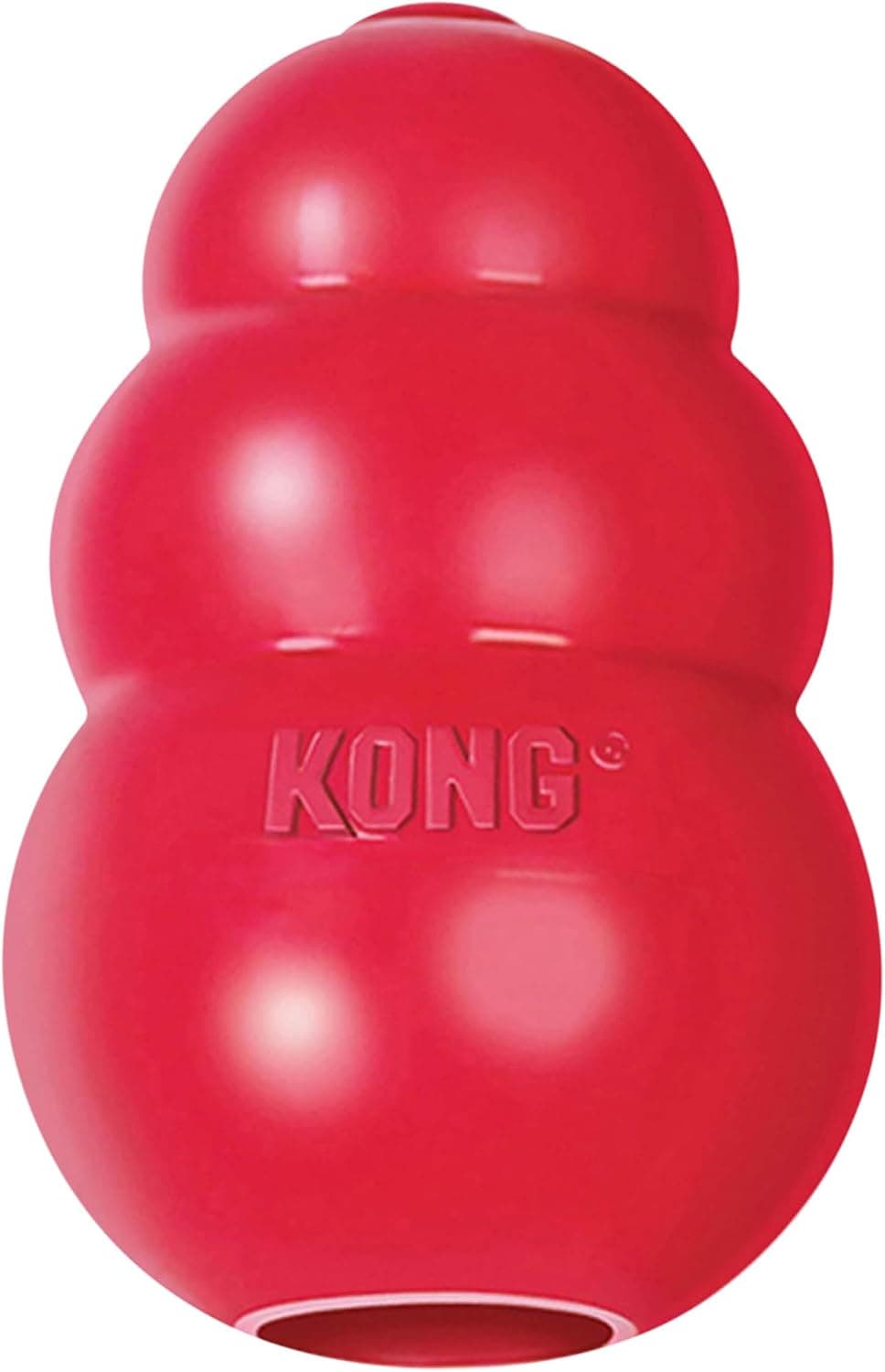
If your dog shreds beds overnight, stop buying plush. Use a chew-resistant cot or keep rest inside a crate with a tough pad, and give legal outlets like a stuffed KONG. Replacing destroyed orthopedic beds is how people decide “dog beds do not work.”
A practical buy order
1) Puppy / potty routine → correctly sized wire crate. 2) Adult or senior with stiff mornings → orthopedic foam bed sized by weight. 3) Heavy dog flattening foam → thicker slab. 4) Shredder → skip fabric until chewing is managed. Give any new bed a week in the dog's favorite spot before you judge it.
Products mentioned
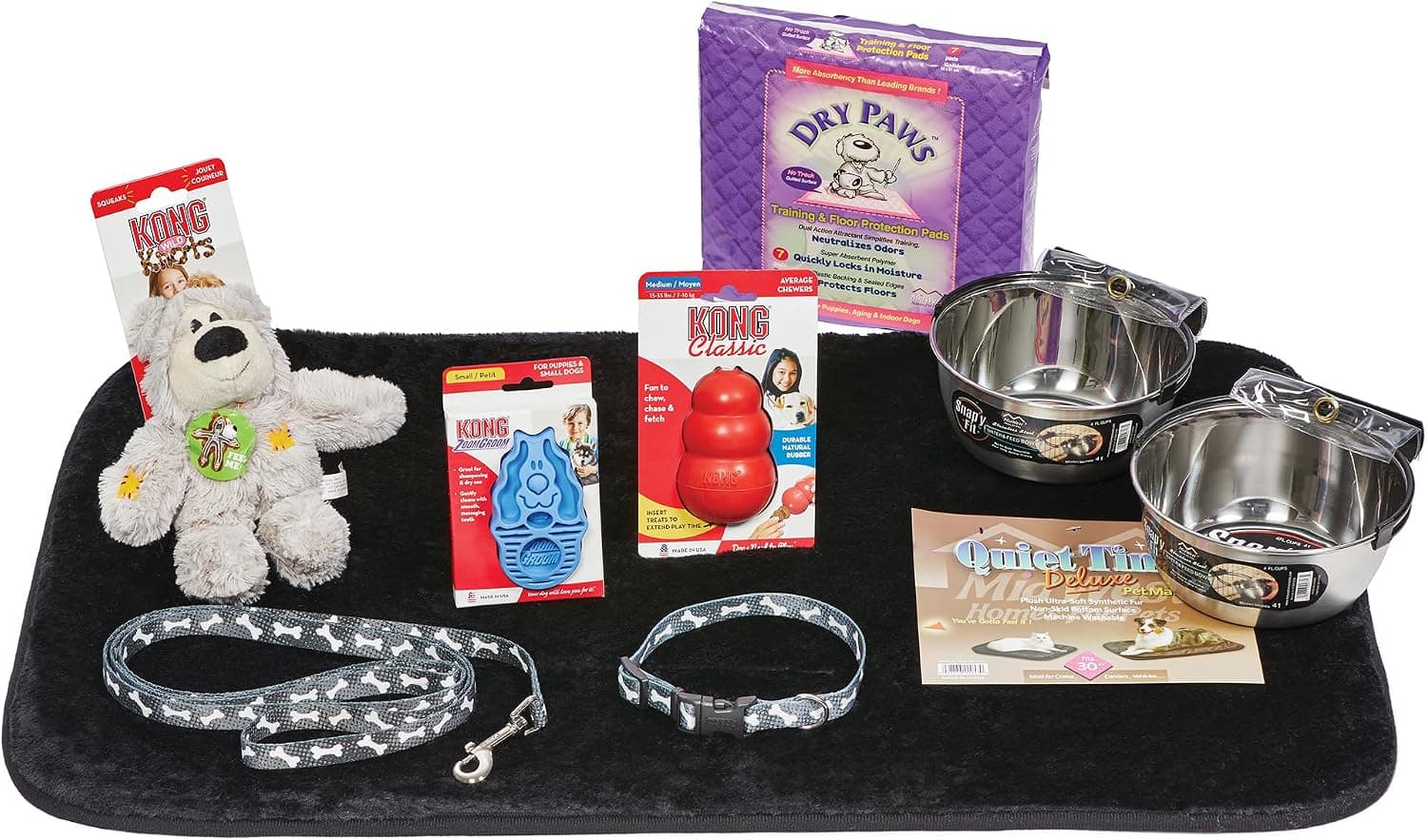 Best bundled new-puppy welcome kitPuppy & kitten
MidWest Homes for Pets
MidWest Puppy Starter Kit, Medium
Bed, bowls, pads, KONG, brush, collar/leash bundle — crate sold separately
About $45–$70
 Best orthopedic pick for seniorsBeds & crates
Furhaven
Furhaven Orthopedic Sofa-Style Dog Bed
Egg-crate foam with a bolster rim — joint relief without a crate vibe
About $35–$80
 Best value thick foam bedBeds & crates
Bedsure
Bedsure Orthopedic Dog Bed with Removable Cover
Thicker foam slab for dogs that flatten cheaper beds in weeks
About $40–$90
 Best stuffable chew toyToys
KONG
KONG Classic Dog Toy
The red rubber classic — stuff it, freeze it, buy downtime
About $8–$25